
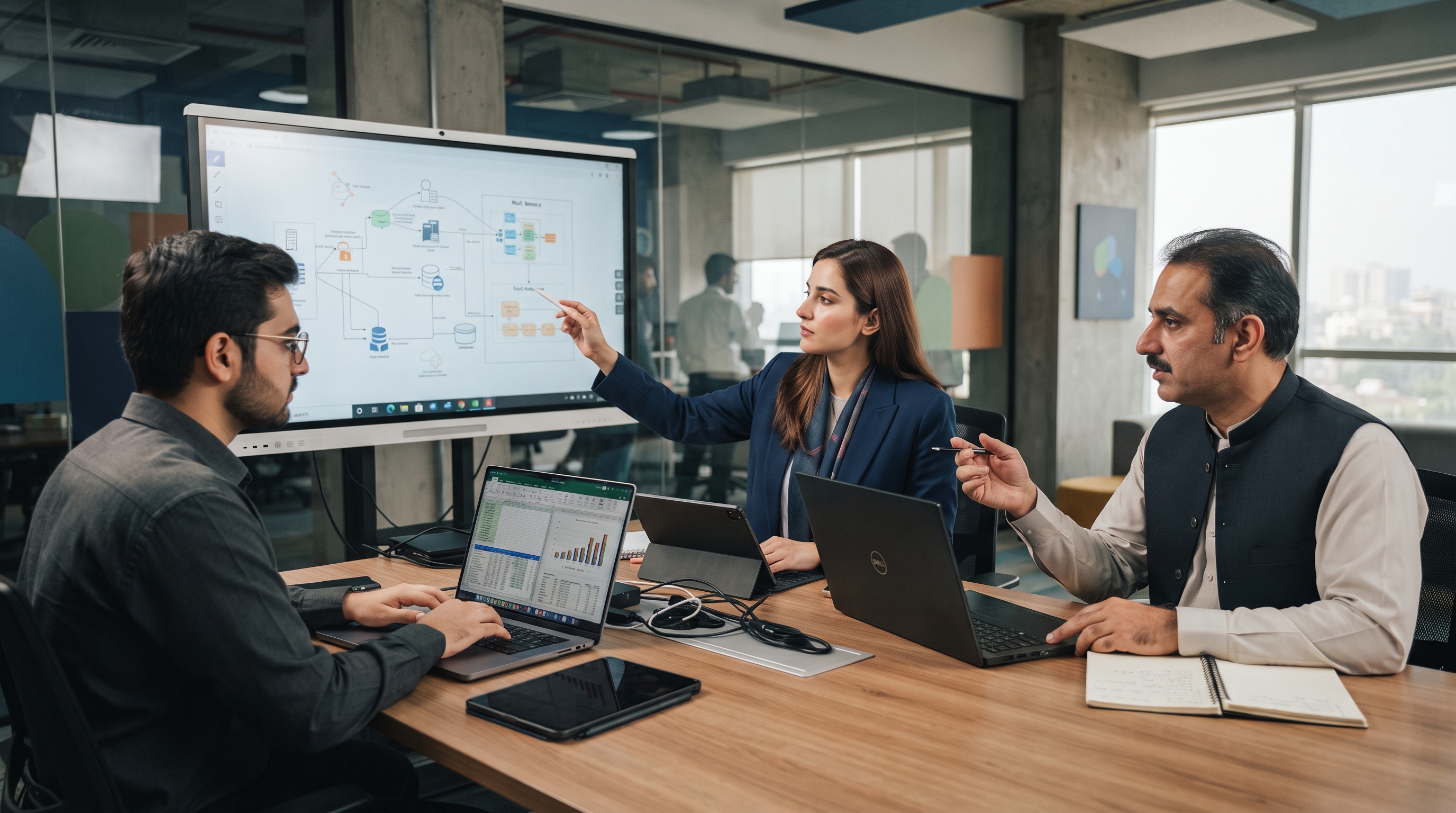
Step-by-Step Guide to Multi-Tenant SaaS ERP Architecture Designing a multi-tenant Software-as-a-Service (SaaS) Enterprise Resource Planning (ERP) system is one of the most complex yet rewarding challenges in software engineering. When building an ERP that serv
Step-by-Step Guide to Multi-Tenant SaaS ERP Architecture
Designing a multi-tenant Software-as-a-Service (SaaS) Enterprise Resource Planning (ERP) system is one of the most complex yet rewarding challenges in software engineering. When building an ERP that serves multiple independent organizations (tenants) from a single application instance, architects must balance cost-efficiency, data security, system performance, and scalability. This comprehensive guide outlines the core steps, architectural patterns, and best practices for building a robust multi-tenant SaaS ERP.
At its core, multi-tenant SaaS ERP architecture allows multiple companies—your tenants—to share the same underlying hardware, operating system, and application infrastructure while keeping their operational data completely isolated and secure. Getting this foundation right from day one prevents costly refactoring down the road.
1. Choose the Right Tenant Data Isolation Strategy
The most critical architectural decision in a multi-tenant SaaS ERP is how you handle database architecture and data isolation. There are three primary patterns, each with distinct trade-offs regarding cost, complexity, and security:
- Shared Database, Shared Schema: All tenants share the same database and the same tables. Tenant isolation is maintained via a tenant_id column in every table. This approach is the most cost-effective and easiest to scale infrastructure-wise, but it requires rigorous application-level filtering to prevent data leaks.
- Shared Database, Separate Schemas: All tenants share a single database instance, but each tenant has their own isolated database schema. This provides a middle ground, offering better logical separation while keeping infrastructure management relatively simple.
- Database-per-Tenant (Isolated Databases): Each tenant gets their own dedicated database instance. This provides the highest level of security and compliance, making it ideal for enterprise clients with strict data residency requirements, though it incurs higher hosting and management overhead.
For most modern SaaS ERPs, a hybrid approach or a well-indexed shared schema architecture is chosen to balance cost and performance, depending on your target market.
2. Implement Robust Authentication and Tenant Context Resolution
Once your data strategy is set, your application needs to reliably identify which tenant is making a request. Security and accurate data routing depend entirely on proper tenant context resolution.
- Subdomain or Path Routing: Identify tenants through URLs (e.g., tenantname.yourerp.com or yourerp.com/tenantname). This provides a clear context early in the request lifecycle.
- JWT Claims and Session Management: Upon successful authentication, issue a JSON Web Token (JWT) that explicitly contains the user's ID, role, and assigned tenant_id.
- Middleware Enforcement: Implement backend middleware that extracts the tenant context from the incoming request, validates the user's permissions against that tenant, and sets the scope for all subsequent database queries.
Never rely solely on client-side state to determine tenant context. Always enforce tenant boundaries on the server side for every API call.
3. Design for Scalability, Customization, and Extensibility
An ERP system must be adaptable. Different tenants will inevitably require custom fields, unique workflows, and specific reporting layouts without breaking the core application codebase.
- Metadata-Driven Architecture: Allow tenants to define custom fields stored in JSONB or EAV (Entity-Attribute-Value) tables rather than altering the core relational schema for individual clients.
- Asynchronous Processing: ERP operations like generating large financial reports, running payroll, or syncing inventory can be resource-intensive. Offload these tasks to background worker queues (using tools like RabbitMQ, Redis, or Celery) to keep the user interface fast and responsive.
- Resource Metering and Rate Limiting: Implement monitoring to track resource consumption (storage size, API calls, active users) per tenant. This is vital for enforcing subscription tiers and preventing "noisy neighbor" scenarios where one heavy user degrades performance for others.
4. Ensure Compliance, Security, and Disaster Recovery
Enterprise customers will scrutinize your security posture before trusting you with their financial, HR, and supply chain data. Your architecture must address enterprise-grade security requirements:
- Data Encryption: Encrypt all tenant data both in transit (using TLS 1.3) and at rest (using robust database encryption standards).
- Role-Based and Attribute-Based Access Control (RBAC/ABAC): Provide granular permission settings so administrators within each tenant organization can restrict user access to sensitive modules (e.g., general ledger, payroll).
- Backup and Restoration Procedures: Ensure your backup strategy allows for point-in-time recovery of individual tenant data without affecting other tenants sharing the same infrastructure.
How MSN Brothers Can Help
Established in 2024, MSN Brothers (Private) Limited offers comprehensive IT services, including custom software development, ERP engineering, scalable cloud hosting, and AI automation solutions. Our engineering team can assist your business in designing, building, and deploying robust multi-tenant SaaS architectures tailored to your specific operational and scalability goals.
Frequently Asked Questions
What is the biggest risk in multi-tenant ERP architecture?
The primary risk is a data leak or cross-tenant data exposure due to improper query filtering or flawed application logic. Implementing strict server-side tenant scoping and automated integration tests is essential to mitigate this risk.
Should I build a shared database or database-per-tenant model?
It depends on your target market. If you serve small-to-medium businesses (SMBs), a shared database model keeps hosting costs low and margins high. If your ERP targets large enterprises with strict compliance demands, offering a database-per-tenant option may be necessary to close deals.
How do I handle database migrations across multiple tenants?
For shared schema architectures, migrations must be executed carefully to avoid downtime, typically using backwards-compatible schema changes. For separate schema or database-per-tenant models, you will need automated migration orchestration scripts that iterate safely across all active tenant databases.
Can AI be integrated into a multi-tenant SaaS ERP?
Yes. Modern ERPs frequently integrate AI features—such as automated data entry, predictive inventory forecasting, and intelligent document processing—while ensuring that tenant training data remains strictly segregated and secure.
Ready to build or scale your SaaS ERP platform? Contact MSN Brothers (Private) Limited today to discuss your custom software development and cloud hosting needs with our experienced technical team.